
3-Point Buffalo Review: Understanding the Charge, Dispute Process, and Billing Complaints
Authored by promoverspittsburgh.com, 02 Jul 2026
Three identical charges appearing on a single statement rarely happen by accident. When a cardholder spots the same amount posted three separate times under one merchant descriptor, the reflex is panic - but the actual cause is usually mundane: a retry after a declined authorization, a pre-authorization hold that never dropped off, or a subscription renewal that overlapped with a manual payment. Understanding why this happens matters more than reacting to it, because the correct response depends entirely on the source.
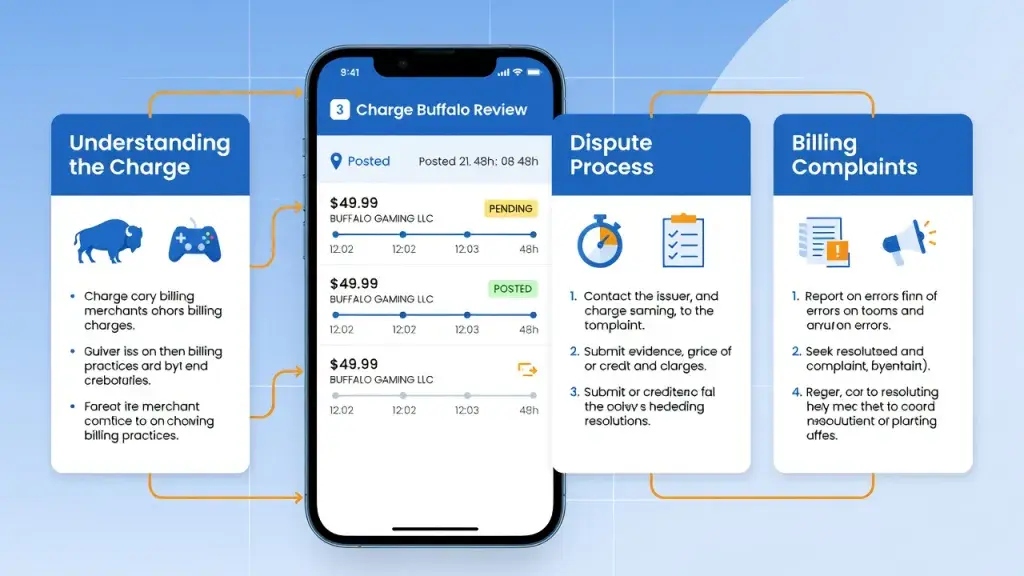
This pattern has become common enough that it now has a name among cardholders and fraud analysts alike: 3 charge buffalo. The term describes a specific billing anomaly where a transaction group repeats three times in quick succession, often tied to gaming platforms, subscription services, or point-of-sale retries. For readers researching the phenomenon directly through a merchant page, a 3 charge buffalo review can clarify whether the triple posting reflects standard authorization behavior or something that warrants a formal dispute. Knowing the distinction before contacting your bank saves time and prevents unnecessary friction with your card issuer.
What follows is a practical breakdown of how these charges originate, how to read your statement correctly, and what to do when the numbers genuinely do not add up.
What Is the 3-Point Buffalo Charge?
The phrase describes a billing sequence, not a single transaction. It refers to three separate charge entries - identical or nearly identical in amount - that appear on a card statement within a short window, typically 24 to 72 hours. The pattern gets its name from its frequent association with buffalo-themed slot and gaming platforms, where in-app purchases or credit top-ups sometimes generate multiple authorization attempts before settling.
Origin of the Term
The label emerged informally among cardholders comparing notes on forums and support threads, not from any official banking terminology. It stuck because it accurately described a recurring complaint pattern: a purchase attempt, a system retry, and a final settlement, all logged as distinct line items rather than consolidated into one.
Common Triggers
Three charges from one merchant usually trace back to one of a handful of causes. Network timeouts during payment processing can cause a merchant's system to resend a transaction request without canceling the first attempt. Mobile app purchases sometimes double-fire if a user taps "confirm" while the app is still loading a previous response. Subscription platforms occasionally bill a prorated amount alongside a full renewal charge, creating what looks like duplication but is technically two different line items plus a hold.
How It Differs From Standard Duplicate Charges
A simple duplicate charge is two entries for the same amount, usually caused by a single processing error. The three-charge pattern is distinct because it often includes a pending authorization, a reversal, and a final capture - three entries that represent one real transaction moving through its full lifecycle. Reading a statement without this context makes an ordinary process look like an error.
Buffalo Review: Breaking Down the Charge Structure
A proper buffalo review means examining each of the three line items individually rather than assuming they are interchangeable. Card statements list amount, date, merchant descriptor, and transaction status - and each of these four fields tells a different part of the story.
Reading the Transaction Descriptor
Merchant descriptors are often abbreviated and unfamiliar, especially for platforms operating under a parent company name different from their public brand. Before assuming fraud, cardholders should search the exact descriptor text rather than the service name they remember using.
Timestamps and Settlement Windows
Authorization holds typically appear within seconds of a purchase attempt, while final settlement can take one to three business days depending on the card network. If two of the three charges share a date and the third posts days later, that gap usually indicates a hold converting into a settled charge - not a new, separate transaction.
Amount Discrepancies Worth Flagging
Minor differences of a few cents between entries usually reflect currency conversion or tax recalculation at settlement. Identical amounts to the cent across all three entries are more suspicious and deserve closer scrutiny.
- Check whether all three charges share the same authorization code
- Confirm whether one entry is marked "pending" and the others "posted"
- Compare the merchant descriptor against your purchase history, not just memory
Charge Dispute Buffalo: Step-by-Step Process
When the review confirms genuine duplication rather than a standard authorization cycle, initiating a charge dispute buffalo case follows the same general path as any card dispute, with a few specifics unique to gaming and subscription merchants.
Gathering Documentation Before Contacting Your Bank
Screenshot the full transaction list from your banking app, not just the disputed lines. Include the merchant's contact information if available, and note the exact purchase you believe generated only one legitimate charge. Banks process disputes faster when the cardholder arrives with a clear, chronological account rather than a vague complaint.
Filing the Formal Dispute
Most card issuers allow disputes to be filed through their mobile app, by phone, or in writing. Provisional credit is often issued within ten business days while the issuer investigates, though this varies by network and by the reason code assigned to the claim.
What Happens During Bank Investigation
The issuing bank contacts the merchant's acquiring bank, which then has a set window - typically 30 to 45 days - to respond with evidence supporting the charge. If the merchant cannot produce a matching authorization for each of the three entries, the disputed amounts are usually reversed permanently.
Timelines to Expect
Simple duplicate-charge disputes resolve faster than disputes involving delivered goods or services, since there is no shipping or fulfillment question to adjudicate. Cardholders should expect a resolution letter, either confirming a reversal or explaining why the charges were upheld, within 60 days of filing.
Three Charges Billing Review: How to Read Your Statement
A three charges billing review is a habit worth building into monthly financial upkeep, particularly for anyone using recurring digital services or gaming platforms with stored payment methods.
Cross-Referencing Bank and App Records
Compare the transaction history inside the merchant's own app or account portal against your bank statement. Discrepancies between what the merchant shows as "one purchase" and what the bank shows as "three charges" usually point to a processing error on the merchant side rather than bank error.
Identifying Pending vs. Settled Transactions
Pending charges are provisional and can disappear without any action from the cardholder. Treating a pending hold as a confirmed charge - and disputing it prematurely - often delays resolution rather than speeding it up, since the bank cannot dispute a transaction that hasn't yet settled.
Setting Up Alerts to Catch Repeat Charges Early
Most banking apps allow transaction alerts triggered by amount or merchant name. Setting an alert for any charge above a specific threshold, or from a specific merchant category, catches a repeat billing pattern within hours instead of at the end of a billing cycle.
Filing a Buffalo Billing Complaint: Your Rights and Options
When a dispute through the standard bank process stalls or the merchant disputes the reversal, escalating to a formal buffalo billing complaint through consumer protection channels becomes the next reasonable step.
Contacting the Merchant Directly First
Reputable merchants, including gaming and subscription platforms, generally maintain a billing support line separate from general customer service. Documenting this contact attempt - date, time, representative name if given - strengthens any later complaint filed with regulators.
Escalating to Regulatory Bodies
In the United States, the Consumer Financial Protection Bureau accepts billing complaints against card issuers and, in some cases, merchants. Complaints filed here create a public record and often prompt faster merchant response than a private dispute alone.
When to Involve a Consumer Protection Agency
If three or more billing cycles pass with the same unresolved charge pattern, or if the merchant's support line becomes unresponsive, involving a consumer protection agency shifts leverage back toward the cardholder. Persistent, unresolved triple-billing across multiple months is a signal worth escalating rather than continuing to dispute case by case.
Preventing Future Multiple Charge Issues
Prevention costs less time than repeated dispute filing, and a few account-level habits reduce the odds of a repeat 3 charge buffalo pattern significantly.
Reviewing Saved Payment Methods Regularly
Old cards left on file with gaming or subscription platforms sometimes get charged automatically after a renewal, even if the user believes the subscription was canceled. Auditing saved payment methods every few months closes this gap.
Using Virtual Card Numbers for Recurring Services
Many banks now offer virtual card numbers tied to a single merchant, capped at a specific spending limit. This limits exposure to repeat authorization errors since the merchant cannot charge beyond the set threshold, regardless of how many times its system attempts to bill.
Recognizing Early Warning Signs of Billing Errors
A pending charge that lingers longer than five business days without settling, or a confirmation email that doesn't match the amount shown in-app, are both early indicators worth checking before the next billing cycle compounds the issue.
Frequently Asked Questions
Is a 3 charge buffalo pattern always a sign of fraud?
No. Most cases trace back to authorization retries, pending holds converting to settled charges, or prorated renewal billing. Fraud is possible but far less common than standard processing behavior.
How long does a charge dispute typically take to resolve?
Simple duplicate-charge disputes usually resolve within 30 to 60 days, though provisional credit often appears within the first ten business days while the bank investigates.
Should I contact the merchant or my bank first?
Contact the merchant first if their support line is responsive and documented. If they don't resolve the issue within a reasonable window, or don't respond at all, move directly to a formal dispute with your card issuer.
What if my bank denies the dispute?
Request the specific reason for denial in writing, then escalate to a consumer protection agency if you believe the merchant's evidence doesn't match your account. A denied dispute isn't necessarily final.
Can pending charges disappear on their own?
Yes. Authorization holds frequently drop off within one to five business days without ever converting into a settled charge. Disputing a pending charge before it settles can complicate rather than speed up resolution.
How do I know if a charge is a hold or an actual settled transaction?
Your banking app usually labels transactions as "pending" or "posted." Only posted transactions represent finalized charges eligible for a standard dispute process.